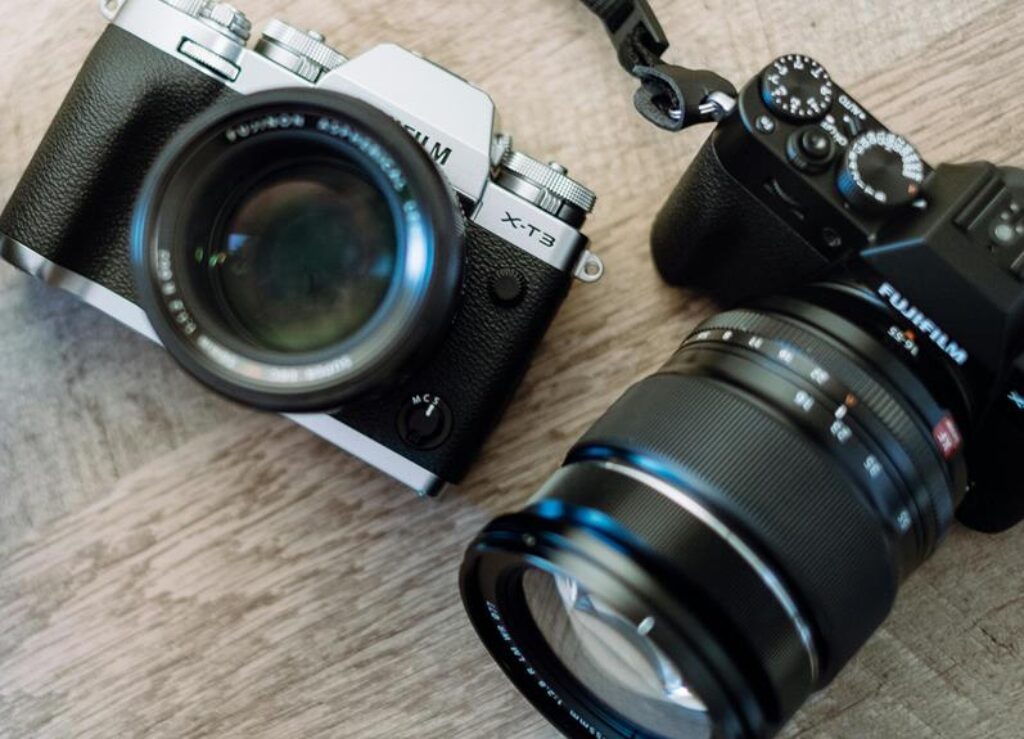
When considering mirrorless cameras versus DSLRs, you may find yourself intrigued by the evolving technology and features each has to offer. The differences go beyond just size and weight, delving into autofocus performance, image quality, and lens options. As you explore the nuances between these two camera types, you’ll discover how they cater to distinct preferences and shooting situations. So, which camera system aligns more with your style and needs?
Size and Weight Comparison
When choosing between mirrorless cameras and DSLRs, consider how their size and weight impact your photography experience. Mirrorless cameras are generally more compact and lighter than DSLRs, making them easier to carry around for long periods. If you prioritize portability and convenience, a mirrorless camera might be the better choice for you. The reduced weight can be particularly advantageous when traveling or shooting events that require mobility and agility.
On the other hand, DSLRs tend to be bulkier and heavier due to their optical viewfinder and mirror mechanism. While this can make them feel more robust and substantial in hand, it can also be a downside if you prefer a lighter setup. If you often shoot for extended periods or require a more ergonomic grip, a DSLR might suit you better despite its heftier build.
Ultimately, the decision between a mirrorless camera and a DSLR comes down to personal preference and shooting style. Consider how the size and weight of each camera type align with your needs and comfort level to make the best choice for your photography journey.
Autofocus Speed and Accuracy
Comparing autofocus speed and accuracy is crucial when evaluating mirrorless cameras and DSLRs for your photography needs. Both camera types have made significant advancements in autofocus technology, but there are differences to consider. Mirrorless cameras are known for their fast and accurate autofocus systems, thanks to features like on-sensor phase detection and contrast detection. These systems allow mirrorless cameras to quickly lock onto subjects and track them with precision, making them ideal for capturing fast-moving subjects such as sports or wildlife.
On the other hand, DSLRs traditionally used phase detection autofocus, which excelled in tracking moving subjects. However, some newer DSLR models now incorporate contrast detection or hybrid autofocus systems to improve speed and accuracy. While DSLRs may have an edge in certain scenarios, mirrorless cameras are catching up and, in some cases, surpassing DSLRs in autofocus performance.
When deciding between a mirrorless camera and a DSLR, consider your photography style and the subjects you shoot most frequently to determine which camera type offers the autofocus speed and accuracy you need.
Image Quality and Sensor Size
For photographers seeking optimal image quality and considering sensor size, understanding the relationship between the two is essential. Sensor size plays a crucial role in determining image quality. In general, larger sensors tend to capture more light, resulting in better image quality, especially in low-light conditions. DSLRs traditionally have larger sensors than most mirrorless cameras, giving them an edge in image quality. However, advancements in mirrorless technology have led to smaller cameras with competitive sensor sizes, offering comparable image quality to DSLRs.
When comparing image quality between mirrorless cameras and DSLRs, it’s important to consider not only sensor size but also other factors like resolution, dynamic range, and noise performance. Both types of cameras can produce high-quality images, but the specific sensor size is just one piece of the puzzle. Ultimately, your choice between a mirrorless camera and a DSLR should be based on your specific photography needs and preferences.
Lens Selection and Compatibility
Understanding the lens selection and compatibility is crucial when exploring mirrorless cameras and DSLRs. Both camera types offer a variety of lenses to choose from, but there are some differences to consider.
When it comes to mirrorless cameras, one of the key advantages is their adaptability to different lens mounts. This flexibility allows you to use lenses from various manufacturers with the help of adapters, expanding your options significantly.
On the other hand, DSLRs have a wider selection of native lenses available directly from the camera manufacturer, providing seamless integration and optimal performance.
It’s important to note that while mirrorless cameras excel in adaptability, not all DSLR lenses are compatible due to differences in flange distance and mount types. When transitioning between camera systems, ensure that the lenses you plan to use are compatible with your chosen camera body. Additionally, some features may be limited when using adapted lenses, such as autofocus capabilities.
Before investing in new lenses, research compatibility options to make informed decisions based on your specific photography needs.
Trending Products